Strategies to Save with Gift Cards
Comprehensive approaches to maximize your savings through strategic gift card purchasing and usage
Beyond the Basics: Advanced Gift Card Saving Techniques
While most consumers are familiar with gift cards as presents, savvy shoppers have developed sophisticated strategies to transform these instruments into powerful saving tools. This guide explores the full spectrum of techniques—from finding the best discounts to stacking multiple savings opportunities—all while managing potential risks.
Each strategy is explained with clear, actionable steps and real-world examples to help you implement these methods in your own shopping habits. By the end of this guide, you'll understand how to systematically reduce your costs across virtually all your regular purchases.
Discount Marketplace Strategy
Finding and leveraging the best deals on secondary gift card markets
Understanding the Secondary Gift Card Market
The secondary gift card market exists because many gift card recipients prefer cash or received cards for stores they don't frequent. This creates a unique opportunity for savvy shoppers to acquire gift cards at below face value.
Exchange Platforms
Sites like Raise, CardCash, and GiftCardGranny connect buyers with sellers of unwanted gift cards. Discounts typically range from 2-25% depending on the retailer's popularity and demand. Electronics retailers and department stores often have modest discounts (2-10%), while restaurant and specialty store cards can have deeper discounts (8-25%).
Warehouse Club Offers
Costco, Sam's Club, and BJ's regularly offer multi-packs of gift cards at 5-25% below face value. These typically focus on restaurant chains, movie theaters, and experience-based retailers. For example, a $100 restaurant card bundle might sell for $75-80, representing a 20-25% immediate discount.
Grocery Store Promotions
Many grocery chains offer periodic promotions where purchasing gift cards earns you store rewards, fuel points, or direct discounts. These promotions typically provide 5-10% value back in the form of grocery savings or gas discounts rather than direct card discounts.
Finding the Best Marketplace Deals
- Use aggregator sites: Gift Card Wiki and Gift Card Granny compare prices across multiple platforms to find the best current discount.
- Set price alerts: Most marketplaces allow you to set alerts for when specific cards reach your target discount percentage.
- Look for first-time buyer promotions: Many platforms offer additional 5-10% discounts for new customers.
- Check marketplace guarantees: Prioritize platforms with longer guarantee periods (60+ days) and clear policies on balance verification.
Marketplaces vary in verification processes and buyer protections, making platform selection a critical consideration.
Discount Variance by Retailer Category
| Retailer Category | Typical Discount | Best Source | Market Liquidity | Risk Level |
|---|---|---|---|---|
| Major Department Stores | 3-12% | Exchange Platforms | High | Low |
| Electronics Retailers | 2-8% | Exchange Platforms | High | Low |
| Big Box Retailers | 1-5% | Exchange Platforms | Very High | Very Low |
| Casual Dining Restaurants | 8-20% | Warehouse Clubs | Medium | Low |
| Upscale Restaurants | 15-25% | Exchange Platforms | Low | Medium |
| Clothing & Apparel | 5-15% | Exchange Platforms | Medium | Low |
| Specialty/Niche Retailers | 10-25% | Exchange Platforms | Low | Medium |
Combination & Stacking Strategies
Amplifying savings by combining multiple discount methods
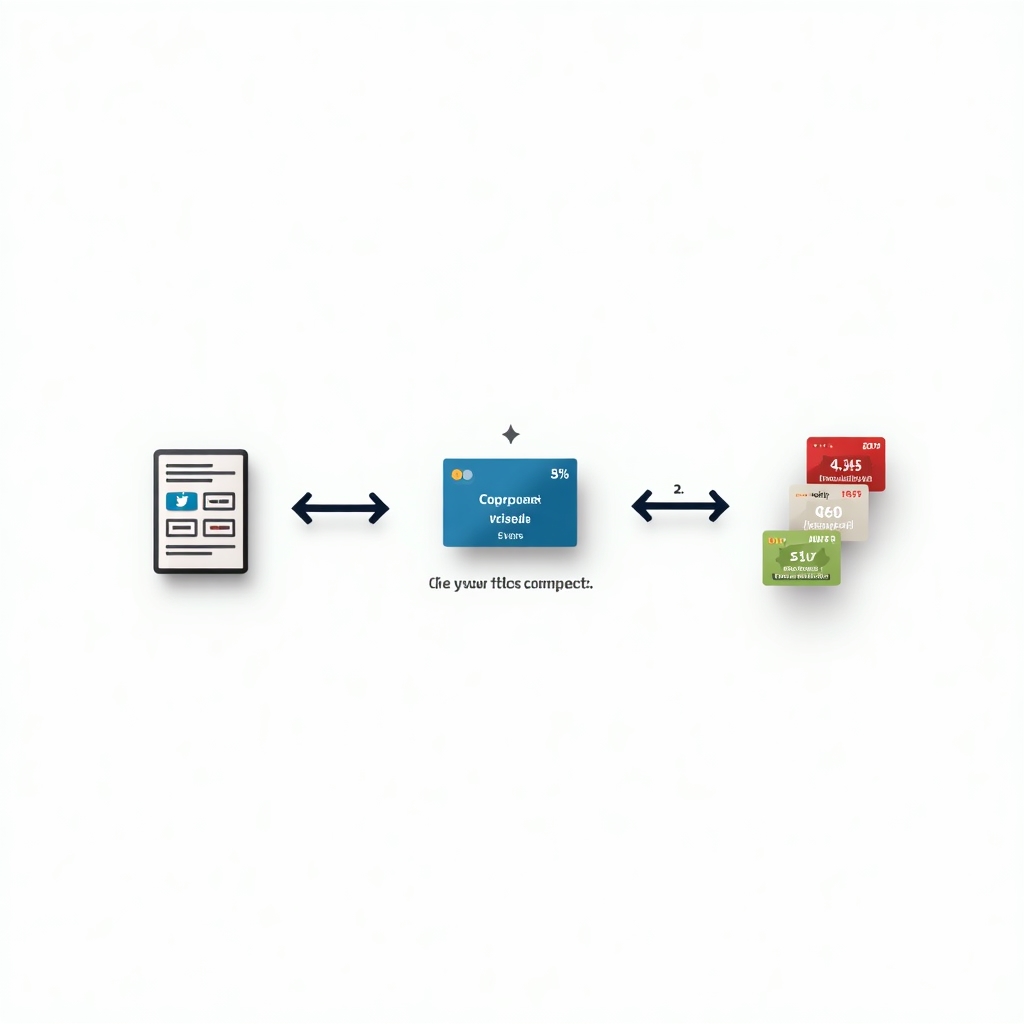
The Power of Strategic Stacking
The most sophisticated gift card savers don't rely on single discount methods. Instead, they create strategic combinations of multiple savings techniques to compound their overall discount. This approach can transform modest individual savings into substantial total discounts.
Basic Stacking Example: Restaurant Purchase
Purchase Discounted Gift Card
Buy a $100 restaurant gift card for $75 (25% savings)
Use Credit Card with Dining Category Bonus
Pay with a card offering 3% back on the $75 purchase (additional $2.25 savings)
Apply Restaurant Promotion
Use gift card during a "buy one, get one 50% off" promotion (additional savings on $100 meal)
Advanced Stacking Example: Retail Shopping
Purchase Gift Card at Grocery Store
Buy a $200 department store gift card at a grocery store during a 4x fuel points promotion
Use Grocery Category Bonus Credit Card
Pay with a card offering 5% back on grocery purchases (saving $10)
Redeem Fuel Points
Get $0.40 off per gallon on 25 gallons of gas (saving $10)
Use Gift Card During Seasonal Sale
Shop during a 25% off storewide sale
Apply Store Coupon
Use a 10% off coupon that can be combined with the sale
Potential Pitfalls
While stacking can be powerful, be aware of these common issues:
- Some retailers explicitly prohibit using gift cards with certain promotions
- Certain loyalty programs exclude gift card purchases from earning points
- Complex stacking requires tracking multiple deadlines and promotion periods
Always verify store policies before planning complex stacking strategies.
Gift Card Value Analysis
Understanding when to buy above or below face value
When Higher Prices Can Still Mean Savings
While most gift card strategies focus on buying cards below face value, there are strategic situations where purchasing cards at or even above face value can still result in significant net savings. Understanding these scenarios is key to advanced gift card strategy.
Scenarios Where Premium Prices Make Sense
Category Spending Requirement Fulfillment
Some credit card rewards require meeting specific category spending thresholds. Purchasing gift cards can help reach these thresholds efficiently, justifying a slight premium.
Example: Paying 5% above face value for a gift card that helps unlock a $200 statement credit by meeting a spending requirement.
Flexible Rewards Programs
Some gift cards offer flexible redemption options that can exceed face value when strategically redeemed.
Example: Hotel program gift cards that can be used during peak pricing periods, effectively providing more value than the face amount.
Limited-Time Promotions
Special retail promotions can make full-price gift cards worthwhile.
Example: Purchasing a $100 gift card at face value that includes a $20 promotional card, effectively creating a 20% discount.
When Discounts May Not Be Worthwhile
Limited Store Selection
A deeply discounted gift card may seem attractive, but if the retailer doesn't offer products you actually need, you might end up purchasing unnecessary items to use the balance.
Excessive Restrictions
Some discounted cards come with significant usage limitations like product exclusions, minimum purchase requirements, or short expiration dates.
Unreliable Marketplaces
Extremely deep discounts on unverified platforms may indicate potential fraud or balance issues, making verification processes critical.
Gift Card Value Formula
To determine whether a gift card purchase makes financial sense, use this evaluation framework:
True Value = (Card Face Value × Likelihood of Use × Personal Utility) - (Purchase Price + Opportunity Cost)
- Likelihood of Use: Probability you'll use the full balance (0-100%)
- Personal Utility: How useful the retailer's products are to you (0-100%)
- Opportunity Cost: What you could earn by investing the money instead
Only purchase when the True Value exceeds zero by a comfortable margin.
Geographic & Seasonal Strategies
Timing your purchases to maximize seasonal discounts and regional opportunities
Seasonal Gift Card Cycles
Gift card markets follow predictable seasonal patterns that savvy shoppers can leverage. Understanding these cycles allows you to time your purchases for maximum savings.
January (Post-Holiday)
Why it's valuable: After the holidays, many people sell unwanted gift cards they received, flooding the market and driving down prices.
Best categories: Department stores, clothing retailers, and specialty shops typically see the deepest discounts.
Typical savings: 10-30% below face value
Strategy: Stock up on gift cards for retailers you use regularly. Focus on cards with longer or no expiration periods.
Black Friday & Cyber Monday
Why it's valuable: Retailers offer special promotions to drive holiday shopping, often including gift card bonuses.
Best categories: Electronics, department stores, and online retailers typically have the strongest offers.
Typical savings: Buy $X, get $Y bonus card (effectively 10-20% discount)
Strategy: Focus on retailers where you'll do holiday shopping anyway. The bonus cards often have early 2026 expiration dates, so plan to use them in Q1 next year.
End-of-Quarter Promotions (March, June, September)
Why it's valuable: Many retailers offer gift card promotions to boost quarterly sales figures before financial reporting.
Best categories: Restaurants, entertainment venues, and mid-tier retailers typically have strong end-of-quarter promotions.
Typical savings: 5-15% through bonus cards or direct discounts
Strategy: Watch for announcements in the final 2-3 weeks of each quarter. Subscribe to retailer email lists to get early notification.
Geographic Considerations
Gift card markets can vary significantly by region, offering additional opportunities for strategic buyers.
Regional Retailer Cards
Gift cards for retailers with limited geographic presence often sell at deeper discounts on national exchanges, as the pool of potential buyers is smaller.
Strategy: Look for regional restaurant or store chains from outside your area that have locations near you.
Local Market Saturation
In areas with high concentrations of specific retailers (like college towns with many fast-food options), related gift cards may be more heavily discounted due to oversupply.
Strategy: Filter marketplace searches to your region to find locally saturated card categories.
Travel Destination Planning
When planning trips, look for discounted gift cards specific to your destination months in advance.
Strategy: Research regional chains and attractions at your destination and begin acquiring discounted gift cards 3-6 months before travel.

Risk Management & Fraud Prevention
Protecting yourself while maximizing gift card savings
Understanding Gift Card Risks
While gift card strategies can yield significant savings, they also come with unique risks. Understanding and mitigating these risks is essential for successful long-term implementation of gift card saving techniques.
Balance Security Risks
-
Balance draining: Dishonest sellers may record card numbers and PINs, then drain balances after sale.
Mitigation: Verify balances immediately upon receipt and register cards with retailers when possible.
-
Compromised cards: Some cards may have been purchased with stolen credit cards and could be deactivated.
Mitigation: Only purchase from marketplaces with strong buyer guarantees and verification processes.
Marketplace Risks
-
Unverified platforms: Some less established marketplaces may lack proper seller verification.
Mitigation: Stick to established platforms like Raise, CardCash, and GiftCardGranny.
-
Limited guarantees: Some marketplaces offer very short protection periods.
Mitigation: Prioritize platforms offering at least 45-day guarantees, and use cards promptly.
Financial Risks
-
Retailer bankruptcy: If a retailer goes out of business, gift cards often become worthless.
Mitigation: Diversify gift card holdings and avoid large balances with financially unstable retailers.
-
Opportunity cost: Funds tied up in unused gift cards represent lost investment potential.
Mitigation: Only purchase cards you're certain to use within 3-6 months.
Red Flags When Purchasing Discounted Cards
Discounts exceeding 35% for popular retailers
Sellers with less than 95% positive feedback
Marketplaces without balance verification systems
Cards with very specific or unusual denominations
Sellers unwilling to use marketplace escrow systems
Recently established seller accounts with large inventories
Real-World Savings Examples
Concrete calculations showing how these strategies translate to actual savings
Case Study: Annual Household Savings
This case study examines how a typical household could implement gift card strategies across their regular spending categories to achieve significant annual savings.
| Spending Category | Annual Spend | Strategy Applied | Discount Rate | Annual Savings |
|---|---|---|---|---|
| Grocery | $7,200 | Grocery store gas rewards on gift card purchases + 5% category bonus credit card | 8% | $576 |
| Dining Out | $4,000 | Warehouse club restaurant card packs + cashback portal purchase | 24% | $960 |
| Clothing | $2,500 | Discounted gift cards + seasonal sales stacking | 30% | $750 |
| Home Improvement | $3,000 | Office supply store promotions + category bonus card | 13% | $390 |
| Electronics | $1,500 | Discounted gift cards + manufacturer rebates | 15% | $225 |
| Entertainment | $1,800 | Deeply discounted gift cards + membership benefits | 35% | $630 |
| Total | $20,000 | Combined strategies | Average: 17.7% | $3,531 |
Implementation Notes:
- Household gradually implemented these strategies over a 3-month period
- Time investment: Approximately 2 hours per month researching and purchasing cards
- Strategy required upfront planning and building a "gift card inventory" for regular expenses
- Highest ROI categories: Dining, Entertainment, and Clothing
Detailed Strategy Breakdown: Dining Category
The dining category represents one of the highest potential savings opportunities. Here's a detailed breakdown of how to maximize restaurant gift card savings:
Identify Target Restaurant Groups
Focus on restaurant groups that offer gift cards usable across multiple brands. Examples include:
- Darden Restaurants (Olive Garden, LongHorn Steakhouse, Cheddar's, etc.)
- Landry's (Morton's, Chart House, Rainforest Cafe, etc.)
- Brinker International (Chili's, Maggiano's)
These multi-brand cards offer more flexibility and typically have strong secondary market liquidity.
Source Discounted Cards
Primary sources with typical discount rates:
- Warehouse clubs: 20-25% off face value (typically in multi-packs)
- Gift card exchanges: 10-20% off face value (individual cards)
- Restaurant promotions: Buy $100, get $20 bonus card (20% effective discount)
Maximize Purchase Rewards
When buying restaurant gift cards:
- Use credit cards that offer category bonuses at the purchase location (e.g., 5% at warehouse clubs)
- Purchase through cashback portals when buying online (1-5% additional savings)
- Time purchases during credit card rotating category periods when possible
Strategic Usage
Maximize value when redeeming:
- Use during restaurant promotional periods (happy hour, special menus)
- Register cards with restaurant loyalty programs when available
- Use restaurant-specific coupons and offers in combination with gift cards
- Check restaurant websites for gift card bonus periods (typically April-May and November-December)
Inventory Management
Maintain organized records:
- Track all card balances, expiration dates, and purchase details
- Consider using a dedicated gift card management app
- Keep digital backups of all card information
Sample Calculation: Restaurant Group Gift Card
Pre-Purchase Checklists
Essential verification steps before buying discounted gift cards
Before purchasing discounted gift cards, use these comprehensive checklists to verify legitimacy, ensure value, and protect yourself against common issues. Save these checklists for reference when making future purchases.
Marketplace Verification
Confirm marketplace legitimacy before purchasing
Seller Assessment
Evaluate the credibility of individual sellers
Gift Card Verification
Essential checks immediately after purchase
Value Assessment
Evaluate whether the purchase makes financial sense
Ready to Start Saving?
Now that you understand the strategies, it's time to put them into practice. Explore our cashback program recommendations to stack even more savings.